
Your website may have served your business well when it launched, but technology, customer expectations, and your business itself change over time. A website that once felt modern can start to feel dated, confusing, or slow, and that can quietly cost you inquiries.
How do you know when it is time for a redesign rather than small updates? Here are seven common signs, followed by a practical self-assessment checklist.
1. The Visual Design Looks Outdated
First impressions matter. If your website uses old layouts, small text, crowded pages, or images that no longer represent your business, visitors may assume your business is outdated too.
A modern design is not about following trends. It is about clarity: readable typography, consistent colours, generous spacing, and imagery that reflects your current brand. If your branding has changed since your website was built, a redesign can bring everything back into alignment.
2. It Is Difficult to Use on Mobile Phones
Many people browse on their phones. If visitors must pinch and zoom to read text, if buttons are too small to tap, or if parts of the page spill off the screen, your website is creating frustration.
A responsive design adapts to every screen size, with readable text, easy-to-tap buttons, and menus designed for mobile use. Test your website on your own phone, and ask a few customers to do the same.
3. Pages Load Slowly
Slow websites lose visitors. Large images, outdated code, too many plugins, or poor hosting can all affect speed. Visitors on mobile data are especially affected.
Sometimes speed can be improved without a full redesign, for example by optimizing images or improving web hosting. But if the underlying structure is inefficient, a redesign may be the more effective long-term solution.
4. Calls to Action Are Unclear
What do you want visitors to do? Call you, send a WhatsApp message, request a quote, book a service, or make a donation? If those actions are hard to find, visitors may leave without contacting you.
Strong websites guide visitors with clear buttons, visible phone numbers, and simple forms placed where people naturally look for them. If your website rarely generates inquiries, unclear calls to action may be part of the reason.
5. Navigation Is Confusing
Visitors should be able to find what they need within a few clicks. Long menus, vague labels, duplicate pages, and broken links make that difficult.
A redesign is a good opportunity to reorganize your content around how customers think. Group related services, use clear page names, and remove pages that no longer add value.
6. Content Is Outdated or Inaccurate
Old prices, discontinued services, former staff, expired events, and old contact details all undermine trust. If you avoid updating your website because it is difficult to edit, that is a sign in itself.
A redesign can include a modern content management system, such as WordPress, so your team can keep information current without technical help.
7. Weak Technical SEO and Accessibility
Behind the scenes, your website should be built so search engines can understand it and all visitors can use it. Warning signs include missing page titles and descriptions, poor heading structure, images without alt text, no HTTPS, and text that is hard to read because of low contrast.
Improving these foundations supports search visibility and makes your website usable for more people, including those using assistive technologies. Learn more in our guide on how SEO helps businesses get found on Google.
Website Self-Assessment Checklist
Answer each question with yes or no:
- Does the website clearly explain what we do within a few seconds?
- Does it look professional and match our current branding?
- Is it easy to read and use on a mobile phone?
- Do pages load quickly on a typical mobile connection?
- Are phone numbers, WhatsApp, and inquiry forms easy to find?
- Can visitors find any service within two or three clicks?
- Is all content, including contact details, accurate and current?
- Does the website use HTTPS?
- Does each page have a clear title and description?
- Can our team update content easily?
If you answered “no” to several questions, a redesign is likely to be worthwhile.
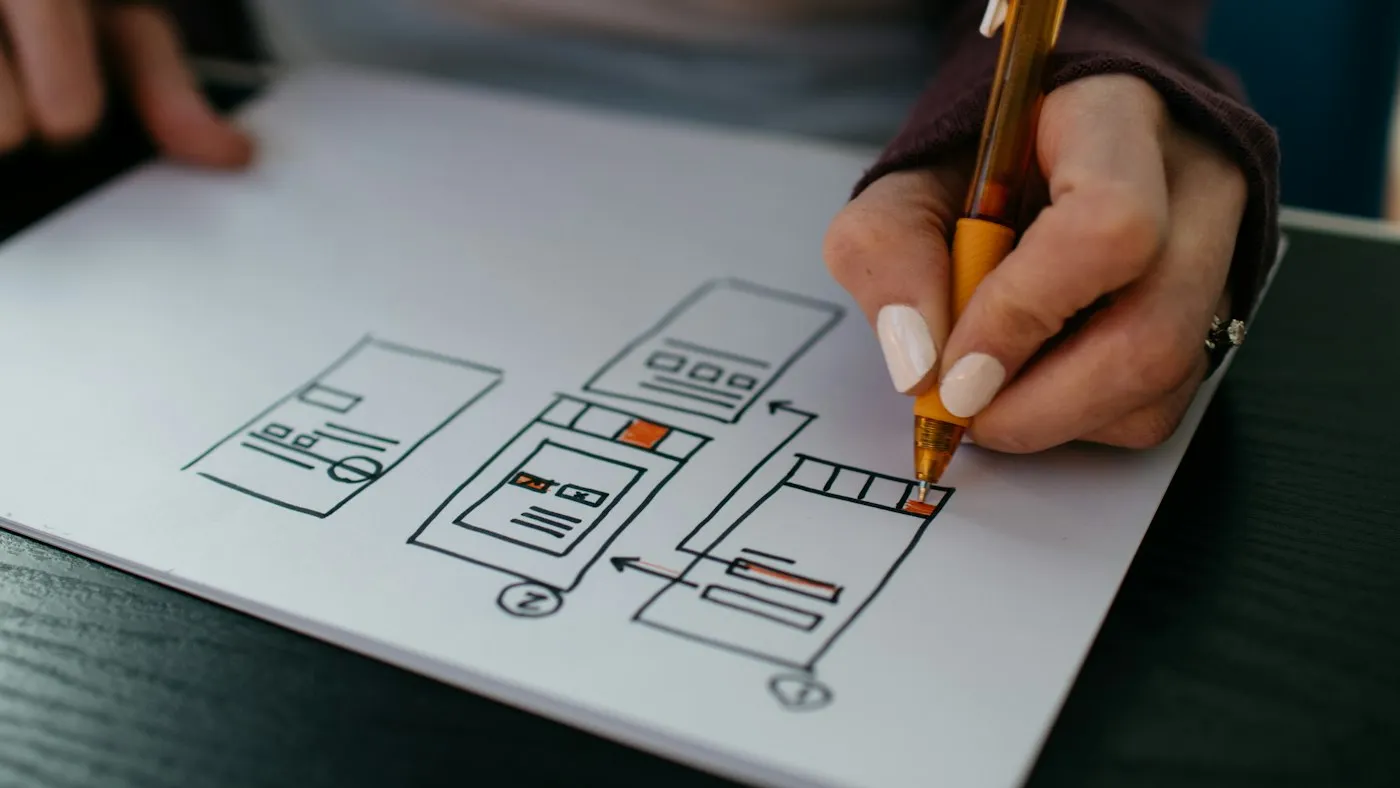
What a Structured Redesign Involves
A good redesign is more than a new look. It typically includes:
- Review: Assess what works and what does not on the current website.
- Goals: Define what the new website should achieve.
- Structure: Plan pages, navigation, and content around your visitors.
- Design: Create a modern, responsive design aligned with your brand.
- Content: Update text and images so they are accurate and useful.
- Development: Build the website with performance and maintainability in mind.
- Testing: Check devices, forms, links, and speed before launch.
- Launch: Move the new site live carefully, preserving important URLs where possible.
Preserving important page addresses, or redirecting them properly, helps protect any search visibility your existing website has earned.
Conclusion
If your website looks outdated, frustrates mobile visitors, loads slowly, hides its calls to action, confuses visitors, contains outdated information, or lacks solid technical foundations, it may be time for a redesign. A structured redesign can make your website clearer, faster, and more effective at generating inquiries.
Premier Web Tech offers website design and redesign services for businesses and organizations in Uganda and South Sudan.
Is It Time to Refresh Your Website?
Send us your current website address and goals, and we will suggest practical improvements and a redesign plan.